Content:
Introduction
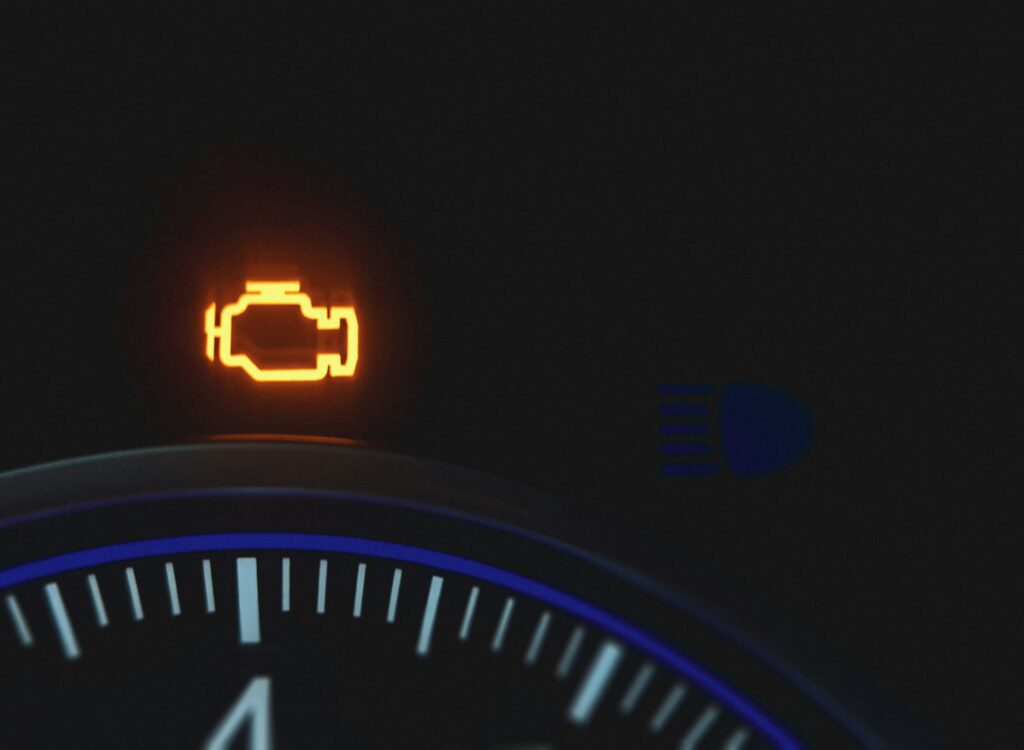
Can be unnerving to see a transmission warning light on your dashboard when your car feels perfectly normal. However, modern vehicles are equipped with sensitive sensors that can detect irregularities long before they cause a noticeable breakdown. Ignoring this early warning often leads to more expensive repairs down the road.
How Early Warnings Affect Driving
A transmission light doesn’t always mean an immediate mechanical failure, but it indicates the system is under stress.
Even if the car drives fine, the light can indicate:
• Minor Fluid Loss: Levels may be just low enough to trigger a sensor but high enough to maintain gear engagement.
• Sensor Malfunctions: Faulty data from a speed or pressure sensor can trigger a warning even if the gears are healthy.
• Software Glitches: Communication errors between the car’s computer and the transmission control module can cause false alerts.
Why It Happens
• Electronic Faults: Modern transmissions rely heavily on solenoids and sensors; a small electrical short or damaged wiring can trip the light.
• Early Overheating: The system may detect rising temperatures caused by heavy loads or aging fluid before the car begins to shudder.
• Fluid Contamination: Dirt or metal particles can obstruct flow, causing pressure fluctuations that sensors pick up immediately.
Miami Driving Conditions
In Miami, the combination of high humidity and stop-and-go traffic on the Palmetto or I-95 puts extra strain on your transmission. Intense heat can cause transmission fluid to degrade faster, leading to “ghost” lights where the car drives fine in the morning but triggers a warning during a hot afternoon commute.
How to Address the Light Promptly
• Check the Fluid: If your car has a dipstick, check the level and color; it should be bright red, not dark or burnt-smelling.
• Scan for Codes: Use an OBD-II scanner to identify the specific error code, which can tell you if the issue is a simple sensor or a mechanical part.
• Monitor for Symptoms: Pay close attention to any subtle changes, such as a slight delay in shifting or a faint burning smell.
Conclusion
A transmission light that stays on while the car drives fine is a signal to act before a minor sensor issue turns into a total mechanical failure. Early diagnosis is the most effective way to protect your vehicle and your wallet from the high cost of a transmission rebuild.
Related Guides: