Introduction
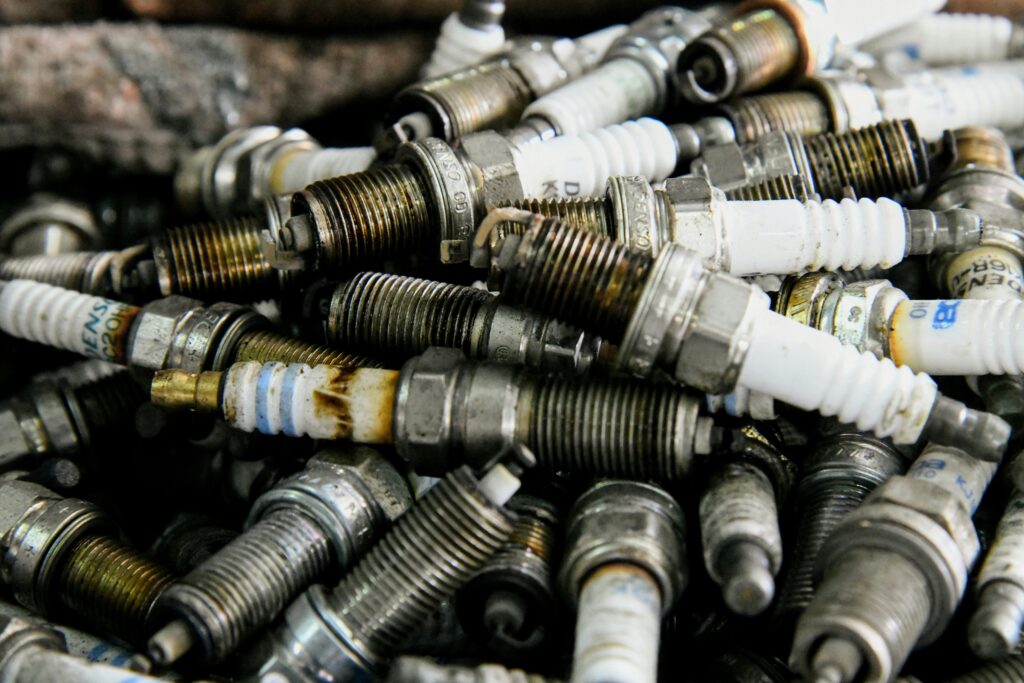
Spark plugs play a critical role in how efficiently an engine runs. These small components ignite the air-fuel mixture inside the engine’s cylinders, allowing the vehicle to produce power. When spark plugs begin to wear out, they can affect both fuel efficiency and engine performance.
How Spark Plugs Work
Spark plugs create a small electrical spark that ignites the fuel mixture inside the engine. This controlled combustion pushes the pistons and powers the vehicle.
If the spark is weak or inconsistent, the engine may not burn fuel as efficiently.
Impact on Gas Mileage
Worn or dirty spark plugs can cause incomplete combustion. When this happens, the engine may use more fuel than necessary to produce the same amount of power.
Replacing old spark plugs can sometimes improve fuel efficiency and help the engine run more efficiently.
Effects on Engine Smoothness
Faulty spark plugs can cause the engine to misfire. A misfire happens when the fuel mixture inside a cylinder does not ignite properly.
Common symptoms include:
- Rough idling
- Engine hesitation during acceleration
- Vibrations while driving
- Reduced engine performance
When Spark Plugs Should Be Replaced
Most modern spark plugs last between 30,000 and 100,000 miles, depending on the type used and the vehicle manufacturer’s recommendations.
Regular maintenance helps ensure the engine runs smoothly and efficiently.
Conclusion
Spark plugs may be small components, but they have a major impact on fuel efficiency and engine performance. Replacing worn spark plugs can help improve gas mileage and keep the engine running smoothly.
Related Guides:
Does Idling A Car For Long Periods Use More Gas Than Restarting the Engine?
How Does Carrying Extra Weight in Your Car Affect Fuel Consumption?